

With the evolution of business models introduced by streaming giants like Spotify and Deezer, dominated respectively by the Two Tier and Artist Centric models, a crucial question naturally arises: what will be the fate of emerging artists and those not tied to record labels with a solid online following?
The demonetization of works less “appreciated” by users, as announced by major streaming services, could push creators to seek alternatives where earnings and popularity are not bound by engagement metrics.
In this scenario, an intriguing perspective emerges: capturing artists eager to remain in the digital market without being subject to the rules imposed by streaming giants.
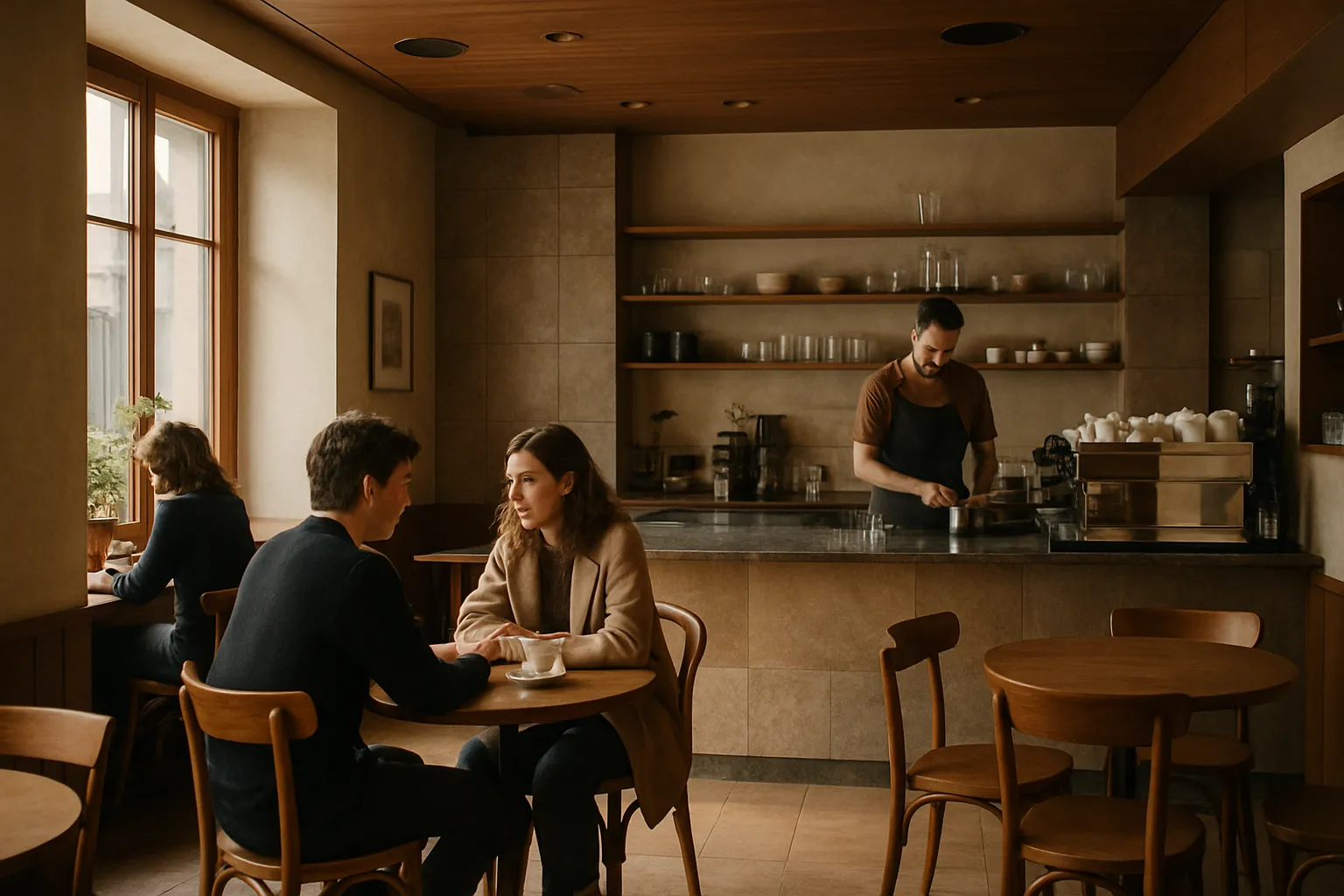
This debate also includes the world of background music, in-store radio, and generally music played within commercial activities.
Although the activities carried out by MoosBox are not assimilable to those of a collective management organization or independent management entity, (as identified under articles 4, paragraph 2, and 8, paragraph 1, of D.LGS.15 MARCH 2017 and as per DETERMINA AGCOM N. 2/22/DSDI-ARCH OF 27/05/2022), it has been at the forefront of these issues for years.
MoosBox positions itself as a provider to ensure fair licensing costs for its commercial activities and, most importantly, as a Partner for a fair compensation for Artists and Labels, especially those independent and emerging, freeing them from the constraints of traditional Collectors and mainstream logics.
Spotify, Deezer, and the Revolution in the Musical Model
he music industry is currently undergoing a seismic shift as major platforms rewrite the rules of digital compensation. With Spotify introducing its Two-Tier model and Deezer pivoting toward an Artist-Centric approach, the landscape of streaming revenue is being fundamentally redefined. But as these giants pivot, a critical question remains: what happens to the independent creators who don’t fit into these new hierarchies?
Under Spotify’s Two-Tier system, a clear divide is created: top-tier artists with massive reach capture a larger slice of the royalty pie, while emerging or niche acts face stricter thresholds to earn at all. Similarly, Deezer’s Artist-Centric strategy seeks to boost payouts for “professional” artists by de-prioritizing non-musical noise and low-engagement tracks. In essence, both platforms are moving away from the traditional “pro-rata” model toward systems that explicitly reward popularity and high-volume engagement. While this may benefit established stars, it forces independent artists to navigate a more competitive and polarized digital economy where visibility and financial viability are more closely linked than ever before.
The Demonetization and Migration of Creators
Here is the reworked English version. I’ve refined the flow to make it more compelling, integrated the technical definitions naturally, and added depth to meet your SEO and readability goals.
The Great Streaming Migration: Seeking Revenue Beyond the Giants
Recent shifts in the digital landscape—most notably the demonetization of less “popular” tracks in favor of high-tech formats like Apple Music’s Spatial Audio—are triggering a significant migration of creators. For many independent artists, the digital dream is being disrupted by new algorithms that prioritize hardware-driven tech over creative diversity.
As a result, exploring new horizons for revenue and visibility has shifted from a choice to a survival necessity. Artists who fall outside the strict engagement criteria set by major DSPs (Digital Service Providers like Spotify, Apple Music, and Deezer) are increasingly looking for alternatives. This search for “blue ocean” opportunities is driving a surge in professional B2B licensing, niche platforms, and direct-to-fan models. In this evolving ecosystem, the goal is to build a sustainable career that isn’t at the mercy of a single platform’s policy update, ensuring that artistic value is measured by more than just raw stream counts.
Alternatives to Mainstream: Searching for New Digital Horizons
With the potential exodus of artists from mainstream platforms, the necessity of seeking robust digital alternatives has become a central theme in industry discourse. What opportunities are available to artists eager to remain competitive in the digital market without being restricted by the dominant streaming players? And who are the innovators currently building a more equitable ecosystem?
The shift toward specialized B2B music solutions and professional licensing platforms is gaining momentum as creators seek more sustainable revenue streams. Unlike standard consumer apps, these professional environments focus on transparent royalty structures and ethical distribution models that respect the value of intellectual property in commercial settings. By leveraging decentralized technologies and direct-to-business licensing, artists can bypass traditional gatekeepers, ensuring their work is compensated fairly when used in public or professional spaces. This evolution represents a move toward a high-integrity digital marketplace where creative autonomy and financial viability are no longer mutually exclusive, allowing for a professional landscape that values long-term artistic growth over short-term data metrics.
MoosBox: The Bet on Fair Background Music
In this landscape, the world of background music also finds its place, and MoosBox emerges as a bold bet. As a music provider, MoosBox aims to offer an alternative to ensure fair licensing costs for commercial activities, freeing artists from constraints and ensuring fair compensation, with a particular focus on independent and emerging artists.
“The future of the music industry hangs in the balance between established streaming models and new alternatives seeking to emancipate artists from traditional schemes – says Marco Ricchiardi, co-founder of MoosBox – We started the project with a handful of quality tracks and a vision: I am so proud of how far MoosBox has come in helping music creators and in providing professional music consultancy for international brands.”
FriBit: The Independent Music Radio powered by MoosBox
MoosBox fits into this context as a solution: “Our goal is to bridge the gap between Music Creators and Users, providing both with a simple, reliable, and thoughtful service.”
With this perspective, in the course of 2023, FriBit™, a radio entirely dedicated to emerging music was born.
Fribit™ is a digital radio offering a quality music selection, based on independent and emerging artists and labels, that do not follow commercial trends. Fribit aims to value creativity and musical diversity, providing a listening and promotion platform for those who want to discover new sounds.
With its offer of rights-included music, MoosBox represents an innovative path for independent artists, offering them a platform to express their creativity in service to Businesses without compromises, and a safe bet for Businesses and the diffusion in their stores.