
What is sonic branding and why is it so important?
A coherent music programme starts with the shop’s character, audience and daily activities. Assess listening comfort, ease of conversation and staff reports, rather than attributing automatic percentage increases in sales or dwell time to the music.
- Increase the time customers spend in your store.
- Enhance the shopping experience.
- Strengthen brand recognition.
- Boost sales strategically.
The 3 key elements of an effective sonic identity
1️⃣ Choosing the Right Music Genre for Your Brand
Selecting the right music genre is essential to convey your brand’s values and style. Here are some examples:
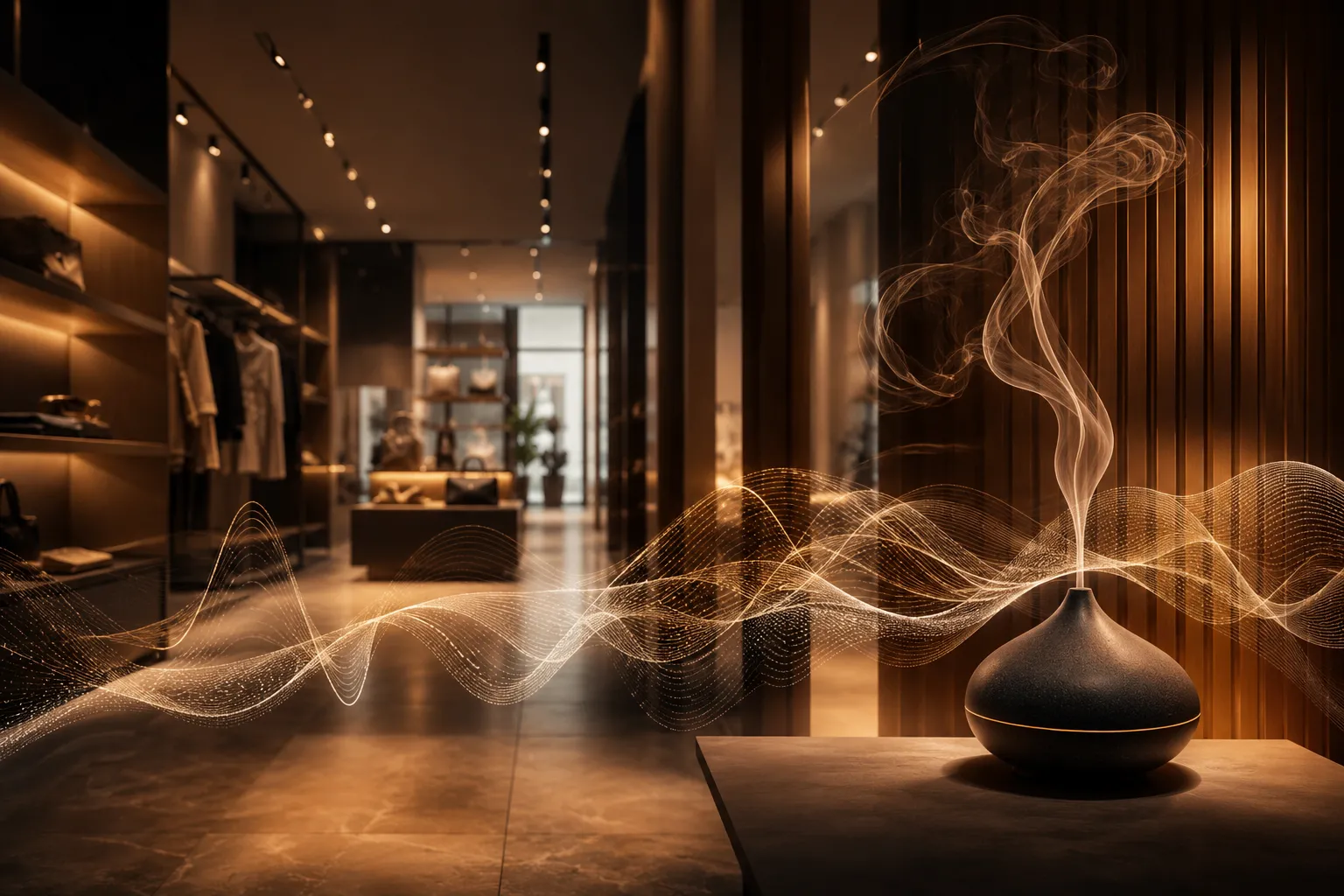
- Luxury boutiques → soft and sophisticated music, such as jazz or lounge.
- Sports stores → energetic and motivating rhythms, like rock or electronic music.
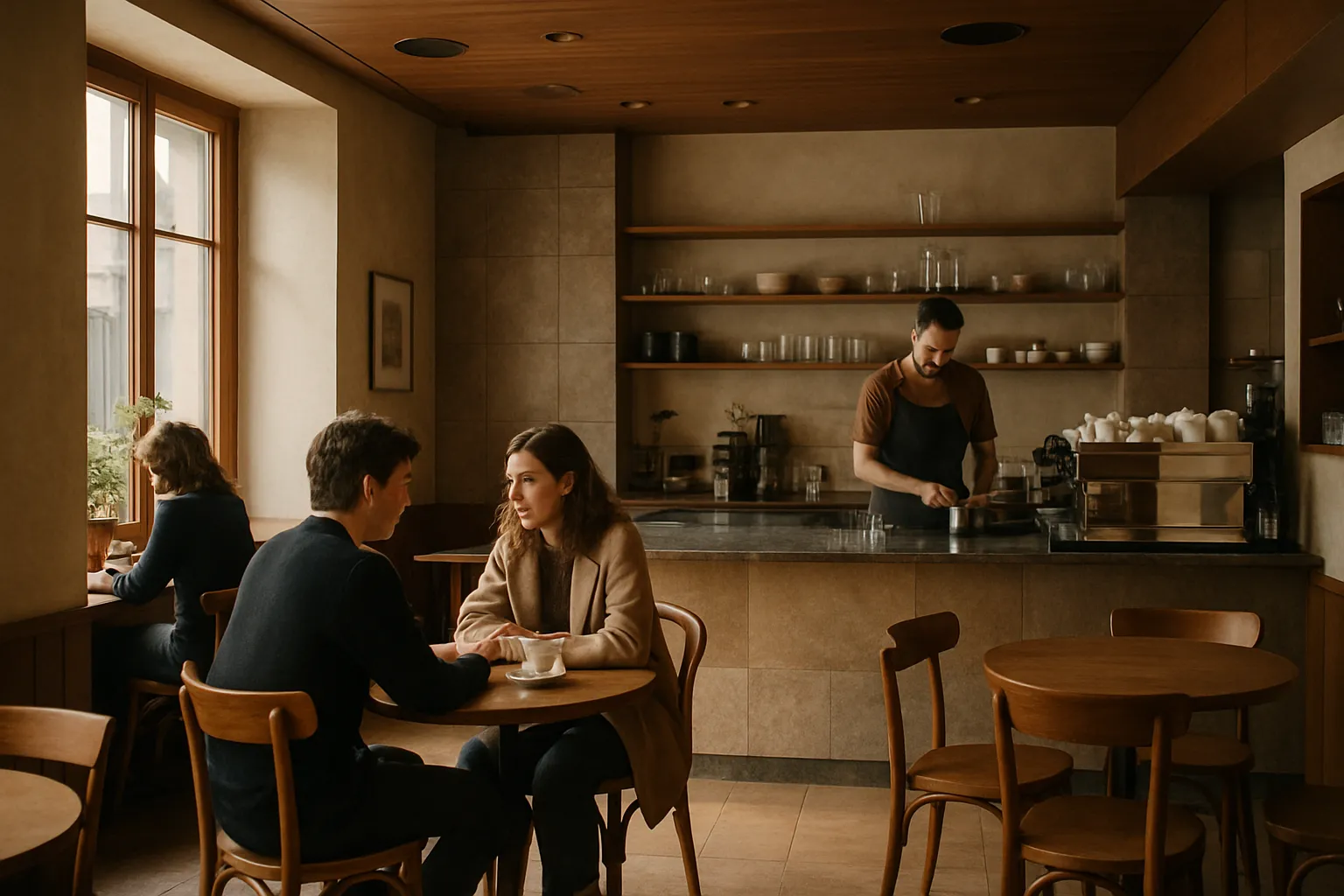
- Cafés and restaurants → relaxing, indie, or acoustic sounds.
2️⃣ Rhythm and Volume: Two Key Factors
- The rhythm of the music influences how fast customers move through the space.
- The volume must be carefully adjusted to avoid disrupting conversations and to ensure a comfortable atmosphere.
3️⃣ Consistency Between Music and Brand Identity
An effective music strategy must be aligned with your visual style and brand message. A great example is Apple, which carefully curates modern and refined music selections in its stores to reinforce a sense of innovation and minimalist design. This sonic approach strengthens brand identity and creates a cohesive customer experience. Avoid sudden genre shifts that could confuse customers and disrupt the atmosphere.
Common mistakes to avoid when choosing in-store music
A common mistake is overlooking the impact of music on customers’ moods. For example, a restaurant that plays music too fast may make diners feel rushed, reducing their average stay. Similarly, a casual clothing store that plays classical music might send the wrong message to customers and subconsciously push them away.
- Using personal playlists or Spotify: risks inconsistencies and disruptive ads.
- Failing to adapt music to different times of the day: softer tunes in the morning, more dynamic beats during peak hours.
- The rights required for authorised uses of content supplied by MoosBox are included according to the Order and licence documentation, for the specified catalogue, territories, Locations and uses. Coverage does not automatically extend to other sources or uses.
Why investing in professional sonic branding is the right choice
This is why more and more successful brands are choosing a customized in-store radio to build their sonic identity. A well-crafted sonic identity not only enhances the customer experience but also helps you stand out from the competition. Let’s discover how a professional in-store radio can make a difference. A professional in-store radio allows you to tailor your music playlist according to your brand’s needs.
✅ Expertly curated playlists designed for your industry, crafted by sound branding professionals who analyze your target audience, store ambiance, and shopping experience to create the most effective soundtrack for your business.
✅ Music with no ad interruptions. ✅ Adaptability to different times of the day and seasons. ✅ Licenses included to legally broadcast music.
The 14-day free trial is reserved for internal technical evaluation. It does not authorise public performance in premises open to the public: the first payment and final activation are required under the applicable terms.