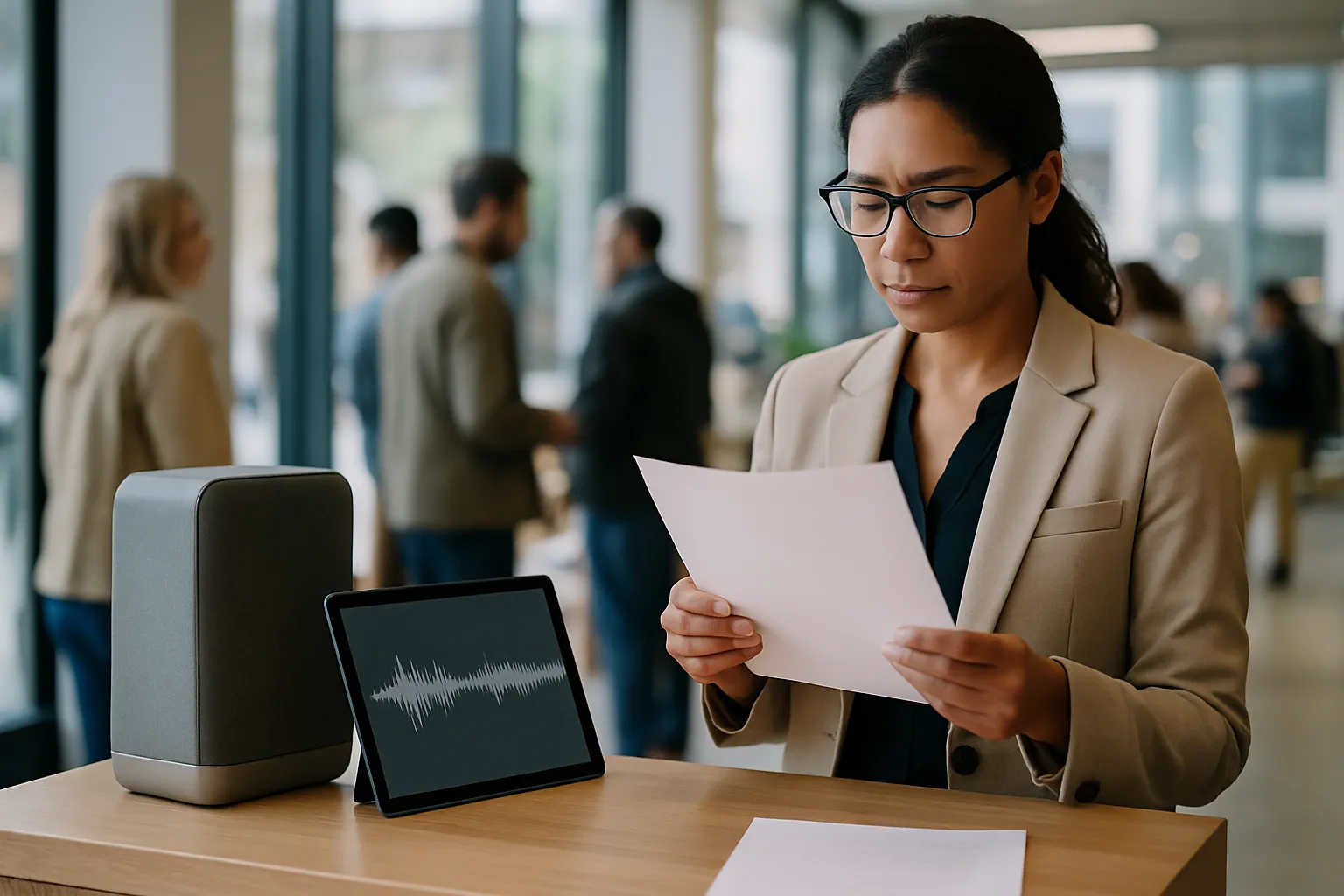


Today we discuss a topic that is often overlooked: the use of music in advertisements. In the digital age, the creation of audiovisual content has become an essential part of marketing strategies. Often, the combination of a famous song with images or in-store audio spots can bring memorable advertisements to life. However, choosing a famous song for an advertisement involves legal and authorization aspects that every content creator must be aware of.
In this article, we will explore the importance of obtaining the necessary permissions and the steps to follow to use famous tracks in advertisements and the possible alternatives.
Famous Music in Advertisements: A Focus on Permissions
If you are considering the idea of pairing a famous song with your advertisement, even if it will be broadcast “only” in your store and perhaps lasts “only” a few seconds, it is crucial to understand that the use of musical works requires approval and permissions from the rights holders.
The synchronization (synch right license), which means “incorporating a particular musical piece into an audiovisual work“, requires explicit permission from the author of the musical work and the rights holder of the phonogram. This process is more complex than simply reproducing the piece and requires obtaining specific licenses and the explicit consent of the individual author of the work itself, as specified by the Supreme Court in Judgment No. 29811/17.
The Rights Involved
Before proceeding with the synchronization of a famous track in an advertisement, it is essential to obtain permission from various parties.
What do you need to do?
You will need to obtain permission from the rights holder of the musical work itself, as well as from the rights holder of the phonogram (the recording containing the music). These steps are necessary to ensure legal use that complies with copyright regulations.
Managing Permissions
It is important to emphasize that obtaining permissions for the use of famous music in an advertisement does not fall under the competencies of ANY OTHER COPYRIGHT MANAGEMENT SOCIETY. Even if the track is registered with ANY OTHER COPYRIGHT MANAGEMENT SOCIETY, you will not be able to obtain the permissions through them. Instead, you will need to contact the authors, publishers, and producers of the musical works involved directly.
It is essential to remember that this aspect of copyright does not fall within the mandate given to ANY OTHER COPYRIGHT MANAGEMENT SOCIETY by its members, and even if the track is registered, such permissions cannot be obtained by paying the fees owed to ANY OTHER COPYRIGHT MANAGEMENT SOCIETY as these permissions are granted directly by the authors and publishers of the musical pieces.
ANY OTHER COPYRIGHT MANAGEMENT SOCIETY does not handle the related rights, which belong to the record producer and the performing artists! You will instead need to contact ANY OTHER COPYRIGHT MANAGEMENT SOCIETY and other Collectors that hold rights to that work to make the payment due to obtain the license related to the distribution and publication of the chosen musical work for specific purposes and through specific means (read our article on distribution in a store or commercial activity).
Online Distribution
If you plan to share your advertisement on platforms like YouTube, additional considerations are necessary.
Many artists and record labels have partnership agreements with streaming platforms (such as YouTube, Spotify, Amazon Music, Apple, etc.), which can affect the distribution of your video.
It is important to distinguish between commercial and non-commercial use of the advertisement. In the case of commercial use, it is advisable to carefully assess the possible consequences and consider the likelihood of receiving legal contact from the interested parties.
The Alternative: Fully Licensed Tracks and Sounds
Selecting the perfect soundtrack for a commercial campaign is a pivotal strategic move that can define your brand’s emotional resonance. While the allure of integrating a chart-topping hit is undeniable, the path to securing those rights is often fraught with astronomical costs and Byzantine legal complexities. Navigating sync licenses, master use agreements, and publisher approvals can stall production timelines and drain marketing budgets before the first frame even airs.
Fortunately, there is a sophisticated and efficient alternative: Fully Licensed music libraries. These specialized catalogs provide high-fidelity, professional-grade compositions specifically curated for commercial use. By opting for a comprehensive licensing model, you bypass the bureaucratic red tape. Every necessary permission, from mechanical rights to public performance, is bundled into a single agreement, allowing your creative team to focus on storytelling rather than legal formalities.
Pro Tip: In the digital age, “cleared” music is essential. Using fully licensed tracks protects your content from being flagged or demonetized by automated copyright algorithms on platforms like YouTube and Instagram.
Choosing a reliable provider like MoosBox ensures that you maintain creative control and legal security. You gain access to an expansive world of high-quality audio that mirrors the production value of famous tracks, but with the added benefits of transparent pricing and immediate deployment. Whether you are producing a global TV spot or a targeted social media ad, investing in a professional music library is the smartest way to achieve a premium sound without the administrative headache.
The Importance of Sound Design for Selling
To ensure a proper management of permissions and create an engaging sound experience, it is advisable to consult professionals in the field of sound design and professional studios.
Specialized companies, such as Jingles Factory, an integral part of our Group, can create your advertisement, integrating persuasive messages and crafting the right atmosphere for your brand.
Conclusions
The use of music and tracks in advertisements can greatly enrich the visual and auditory experience of your content. However, it is essential to choose the most appropriate sounds and follow the correct procedures to obtain the necessary permissions.
Consulting professionals in the field of sound design and copyright management can simplify the process and ensure that your advertisement complies with copyright regulations.
Remember, proper management of permissions not only protects your content but also helps safeguard the work of Artists, Authors, and Labels.